
My Latest Posts
• • •
- “Self-Care Simplified: Quick Tips for Busy Lifestyles”

Do not waste your Sundays on self-care:
Sundays are a great day to relax and recharge for the week ahead, but that doesn’t mean you have to spend the whole day on self-care if it’s not your thing. Instead, why not find activities that help you unwind and feel good without feeling like a chore? You could spend time with loved ones, watch a movie, try out a new hobby, or simply take a nap. Self-care is important, but it doesn’t have to be a big production or take up all your time. It’s all about finding what works for you and what makes you feel good. So go ahead and enjoy your Sunday in a way that feels right for you.
Have a week-long schedule for self-care activities:
If you’re looking to focus on your well-being and take care of yourself, why not plan a week-long schedule of self-care activities? Instead of cramming all your self-care into one day, you can spread it throughout the week and make it an ongoing practice. You can plan different activities that cater to your needs, such as practising yoga, going for a run, cooking a healthy meal, or doing something creative. Each day can have a unique program that focuses on different aspects of your well-being, such as physical, emotional, and mental health. And the best part? It’s all about you! Taking care of yourself is so important for your overall well-being and productivity, and by making it an ongoing practice, you’ll be able to feel the benefits over time. So why not give it a try? Prioritize yourself and your well-being
Do not buy expensive products:
You don’t have to break the bank to take care of yourself. Instead of buying expensive products, try looking for items that are budget-friendly or offer good value for money. You can even find great deals by shopping for products that are on sale or discounted. If you’re feeling creative, you can even make your own self-care products using natural ingredients – it’s fun, affordable, and good for the environment! Another idea is to borrow or rent items that you only need for a short period. By being mindful of your spending and seeking out cost-effective options, you can take care of yourself without breaking the bank. Remember, self-care is all about prioritizing your well-being, so don’t let cost be a barrier to that.Enjoy the process and go with the flow:
Taking care of yourself is super important, but it doesn’t have to feel like a chore. Instead of treating self-care like a task to accomplish, try to think of it as a chance to do something nice for yourself. You deserve it! Whether it’s trying out a new face mask, reading a book, or taking a relaxing walk, make self-care activities things that you genuinely enjoy. That way, you’ll actually look forward to doing them and they won’t feel like a burden. Remember, self-care is all about taking a break from the stresses of everyday life and focusing on yourself and your needs. So go ahead and indulge a little – you’ve earned it! - “Discovering Your Shine: The Ultimate Guide to Being ‘That Girl”
“That girl” refers to a confident, self-assured individual who embraces their uniqueness, pursues personal growth, and lives authentically. It is someone who radiates positivity, cultivates meaningful relationships, and prioritizes their physical and mental well-being.

Celebrate your uniqueness that you are inherently unique and have qualities that set you apart. Embrace your individuality and celebrate the things that make you different from others. Understand that these differences make you unique and add value to the world.
Emphasize self-care and self-love making time for activities that rejuvenate your mind, body, and soul. Practice self-love by treating yourself with kindness, compassion, and respect. Set healthy boundaries, engage in activities that bring you joy, and make self-care a non-negotiable part of your routine.
Let go of self-doubt and negative self-talk. Challenge self-doubt and negative self-talk by reframing your thoughts. Replace self-limiting beliefs with positive, empowering statements. Surround yourself with positive influences and distance yourself from the negativity that hinders your self-confidence and growth.
Set meaningful, achievable goals that align with your vision for the future. Break them down into actionable steps and create a plan to accomplish them. Regularly assess your progress, and celebrate each milestone.
Take courses, attend workshops, read books, and explore online resources. Seek feedback and be open to constructive criticism to be instrumental in your personal growth journey.Establish self-care routines that cater to your physical, emotional, and mental needs. Prioritize quality sleep, practice stress-management techniques, and engage in activities that promote relaxation and rejuvenation. Strive for balance in all aspects of your life.
Express yourself through fashion by curating a wardrobe that reflects your unique style. Dress in a way to feel good about yourself and showcase your individuality. Remember that confidence shines through when you feel comfortable and authentic in what you wear.
Challenge yourself to face your fears and step outside your comfort zone. By confronting your fears and taking calculated risks, you will build resilience and develop a sense of self-confidence. Remember that growth and self-discovery often occur outside of your comfort zone.
- Stage Presentation Tips

Recently, there was a research presentation held at our institute. Here are a few suggestions from the student audience’s point of view on how to make your first presentation remarkable and superior.
- Know your audience: Understanding who your audience is, their backgrounds, and what they are expecting from your presentation is crucial. This information will help you tailor your message, tone, and delivery to resonate with them.
- Plan ahead: Start planning your presentation early and determine what you want to achieve with it. Read articles related to your topic. Outline the key points you want to cover and structure your presentation in a logical and easy-to-follow manner.
- Practice: Rehearse your presentation several times before delivering it on stage. The mock presentation will help you get a feel for the flow of the presentation and allow you to identify any areas that need improvement. Try to maintain a clear, loud voice. Check your slides with someone to catch any spelling errors and to ensure that the images and charts are clear. Mention the sources from which you obtained the images, charts, or even text material at the end of your slide.
- Use visual aids effectively: Visual aids, such as short slides, can help reinforce your message and keep your audience engaged. Use them to illustrate key points, and keep the design simple, clean, and uncluttered. Do not read out your slides. Have key points that must be mentioned and written down on a note.
- Engage your audience: One of the key aspects of a successful stage presentation is audience engagement. Use humor, ask questions, use relatable examples, and involve your audience in the presentation.
- Be confident. Confidence is key when delivering a stage presentation. Stand up straight, make eye contact, have language fluency, try not to fumble, and don’t repeat the same words. Relax and move around. This will help you project a professional image and command the attention of your audience. Be open to feedback from your audience.
- Time management: Make sure you allocate sufficient time for each section of your presentation and be mindful of the time throughout. Avoid rushing or taking too long, as this can disrupt the flow of the presentation. shift smoothly toward your next topic.
- End with a strong conclusion: Your conclusion is the final impression you will leave on your audience. Summarize the key points of your presentation and leave your audience with a call to action or a memorable quote.
- Follow-up: After the presentation, be sure to follow up with your audience. This could be in the form of an email or a post-presentation meeting, allowing you to address any questions or concerns they may have.
In conclusion, delivering a successful stage presentation requires careful planning, preparation, and execution. By following these tips, you can ensure that your presentation is well-received by your audience and leaves a lasting impression.
- Must watch TEDx Talks (Self Aid)
How to practice emotional hygiene | Guy Winch | TEDxLinnaeusUniversity.
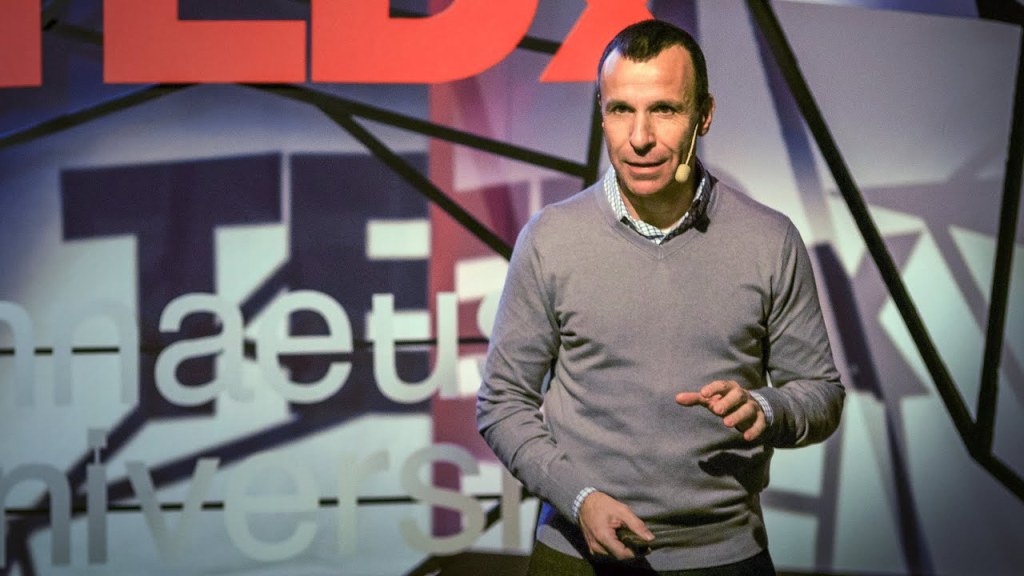
This talk was given at a local TEDx event, produced independently of the TED Conferences. have medicine cabinets for ordinary physical injuries like cuts and colds but no toolkits for common psychological injuries such as failure, rejection, regret, and loss. In his talk, Guy Winch tells us that “you can’t treat a psychological wound if you don’t know you’re injured”. Guy teaches us why it is so necessary to practice emotional hygiene.
3 reasons you aren’t doing what you say you will do | Amanda Crowell | TEDxHarrisburg
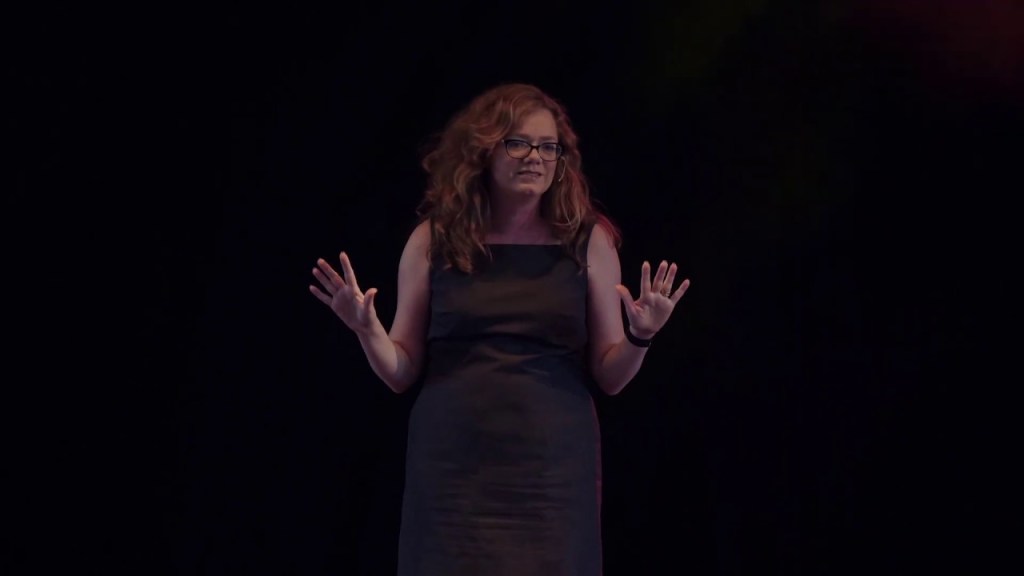
Amanda explores how to move beyond mindset-driven defensive loss into productive failure to succeed at the problems you struggle with the most. Amanda Crowell is a cognitive psychologist, university professor at the Hunter College School of Education, speaker, and coach. Dr. Crowell works with teachers, therapists, and mission-driven entrepreneurs to clear away mindset blocks and move into action.
How to Achieve Your Most Ambitious Goals | Stephen Duneier | TEDxTucson
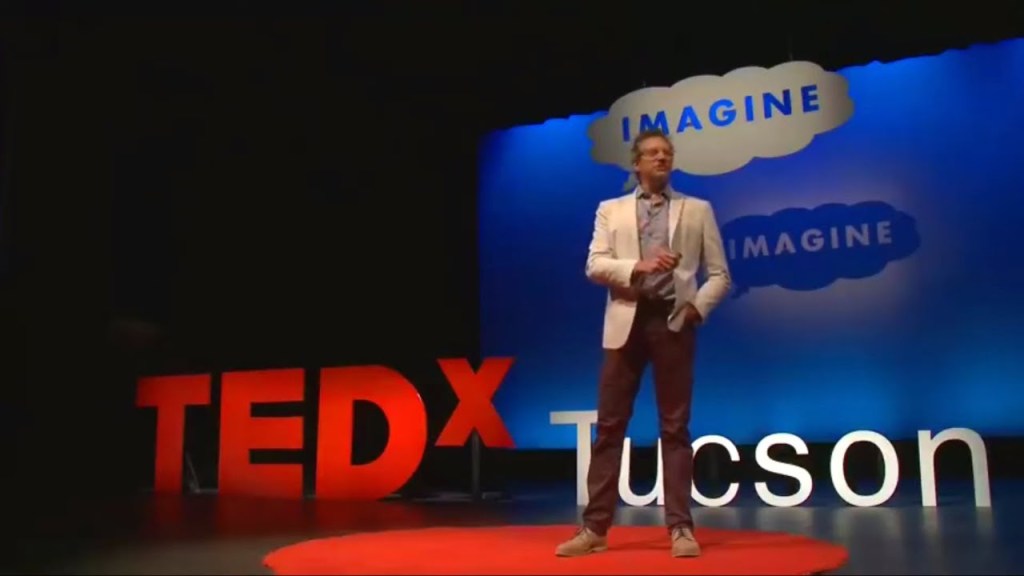
How you define Stephen Duneier depends on how you came to know him. Some define him as an expert institutional investor while others know him as a large-scale installation artist, avid outdoorsman, professor, decision strategist, coach, business leader, mindfulness extremist, author, speaker, daredevil, or Guinness world record holder. In his talk, Stephen explains that what truly defines him aren’t titles, but an approach to decision-making that transformed him from someone who struggled with simple tasks to a guy who continuously achieved even his most ambitious dreams.
Change Your Mindset and Achieve Anything | Colin O’Brady | TEDxPortland
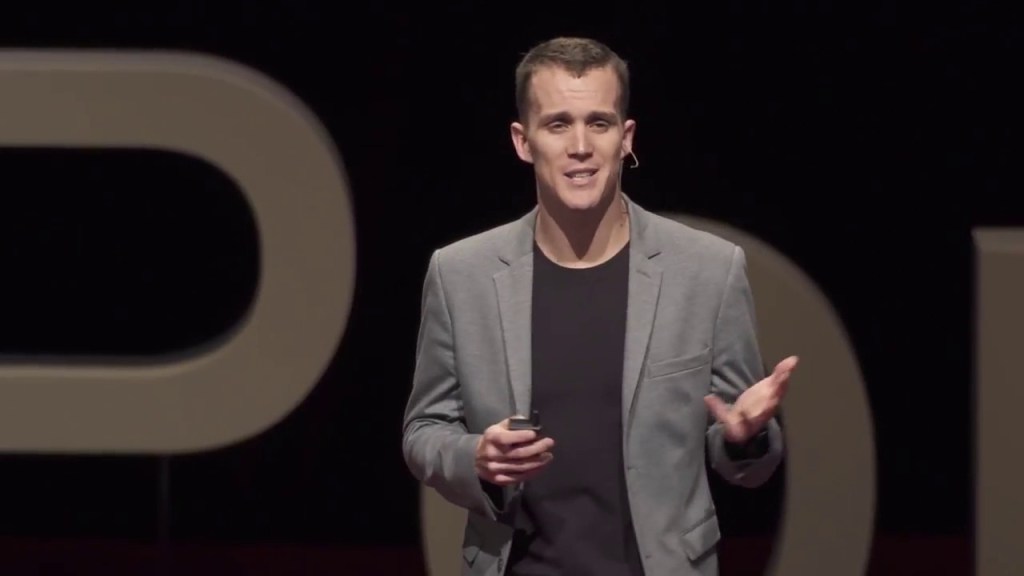
In this epic Talk, Colin O’Brady, explains his journey back from a tragic burn accident only to ascend to the tallest mountains and two poles on earth – in world record time.
His idea is centered around mindfulness and how one can achieve anything no matter the circumstances.
Colin, a native of Portland, is a testament to mindfulness, setting audacious goals and achieving them despite overwhelming odds. Last year, Colin set two world records: He became the fastest person ever to complete both the Seven Summits (climbing the highest peak on every continent) and the Explorers Grand Slam (the Seven Summits + skiing to the last degree of the North and South Poles). He completed the challenges in 131 and 139 days, respectively. His nonprofit, Beyond 7/2, strives to inspire kids to lead active, healthy lives and pursue their biggest dreams.Feelings: Handle them before they handle you | Mandy Saligari | TEDxGuildford
Mandy’s first contact with the world of addiction, mental health, and recovery were when she came into treatment in 1990. Her passion for therapy and its potential for change ignited here, inspiring her to make therapy her life’s work. Alongside a growing private practice, Mandy always gave time to promote early intervention through lectures on addiction, emotional coping mechanisms, and self-esteem as part of the PSHE (Personal, Social & Health Education) provision within independent schools. In 2008, with a busy private practice and many years of recovery under her belt, Mandy founded CHARTER Harley Street, an outpatient center treating addiction and trauma using her pioneering model of care.
- Reader review: The Alchemist By Paulo Coelho
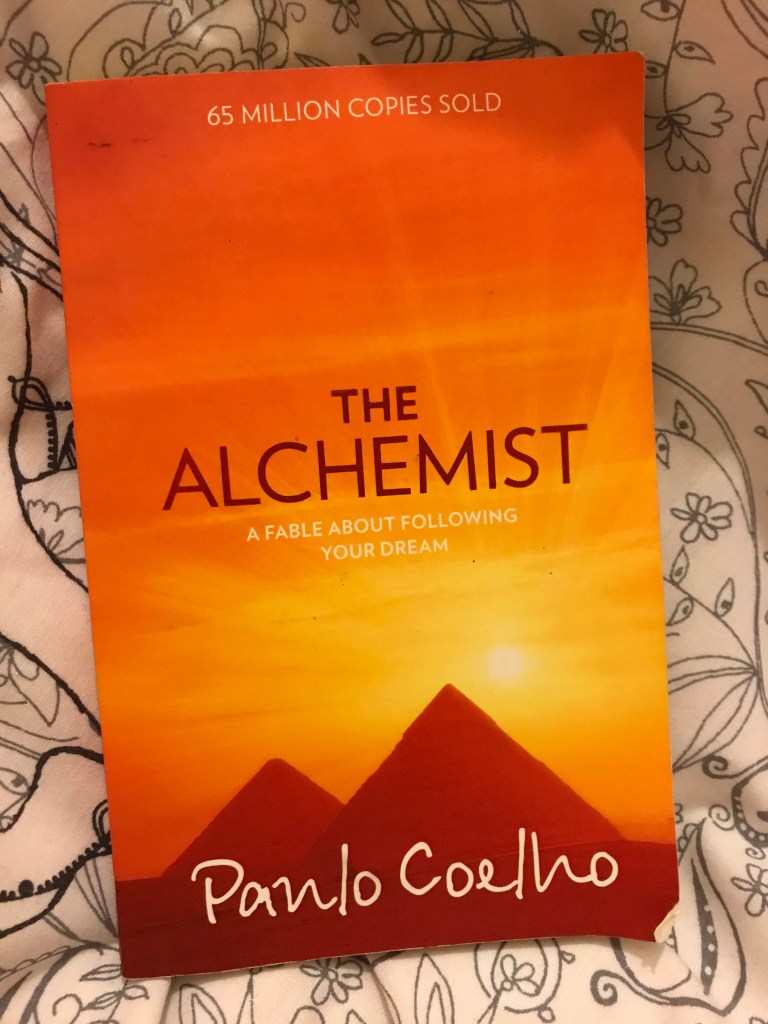
The Alchemist is a novel written by Brazilian author Paulo Coelho which was first published in 1988. Originally written in Portuguese, it became a widely translated international bestseller.
An allegorical novel, The Alchemist follows a young Andalusian shepherd in his journey to the pyramids of Egypt, after having a recurring dream of finding a treasure there.
An Andalusian shepherd boy named Santiago dreams of a treasure while in a ruined church. He consults a Gypsy fortune-teller about the meaning of the frequent dream. The woman interprets it as a prophecy, telling the boy that he will discover a treasure at the Egyptian pyramid. Soon Santiago begins his journey to the treasure, experiences a lot, finally he finds out the real treasure and love of his life.
The book’s main theme is about finding one’s destiny, although according to The New York Times, The Alchemist is “more self-help than literature”. The advice was given to Santiago that “when you really want something to happen, the whole universe will conspire so that your wish comes true” is the core of the novel’s philosophy and a motif that plays throughout it.
I’ll definitely recommend this novel to beginners as well as absolute readers. 10 on 10 ratings for this novel.
• • •
 The BlogGirl